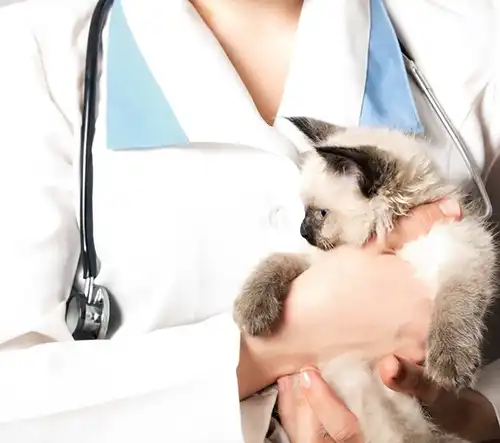



At Gause Boulevard Veterinary Hospital, we know pet parents across Slidell, LA all want the same thing—clean floors, confident pets, and fewer “oops” moments. Whether you’ve got a puppy leaving puddles or a kitten missing the mark, effective pet housetraining is one of the first (and most important) lessons to teach your four-legged friend.
From crate training for dogs to litter box training cats, this blog will help you set your furry pal up for success. With patience, consistency, and the right approach, even stubborn pets can become house-trained champs. We’ll also share tips on using positive reinforcement for pets—because potty training doesn’t have to be a battle.
Why Pet Housetraining Matters
Housetraining builds a foundation of trust between you and your pet. It not only protects your floors but also helps pets understand boundaries and routines. Without consistent training, even well-meaning pets can develop habits that are hard to break later.
Benefits of housetraining include:
- A stress-free home for everyone
- Stronger pet-human communication
- Early detection of medical issues (when bathroom patterns change)
- Easier travel and boarding experiences
Our Slidell, LA veterinary team regularly works with pet parents to troubleshoot housetraining challenges. When done right, it’s less about discipline—and more about communication.
Crate Training for Dogs: Why It Works
One of the most effective methods for housebreaking puppies (and even some adult dogs) is crate training for dogs. The crate acts as a den, helping your pooch learn to “hold it” and establish a bathroom routine.
Keys to successful crate training:
- Choose a crate that’s just big enough to stand, turn, and lie down
- Never use the crate for punishment
- Take your pup out frequently—especially after eating, drinking, or waking
- Use the same door and spot outdoors each time
- Reward with praise or a treat immediately after they go
Crate training taps into your pup’s natural instincts to keep their sleeping area clean. With consistency, it becomes a trusted tool in your housetraining journey. It’s very important to make the crate comfortable, and to never leave your dog inside it too long or too often. Ask your vet for specific advice.
Litter Box Training Cats: Yes, Even for Kittens
Most cats are naturally inclined to use a litter box, but that doesn’t mean every feline friend gets it right away. Litter box training cats takes a bit of environmental setup and behavior awareness.
Tips for success:
- Keep the box in a quiet, easily accessible area
- Scoop daily and change litter regularly—cats are picky about cleanliness
- Avoid scented litters if Fluffy seems hesitant
- Provide one box per cat, plus one extra
- Make sure kittens can easily climb in and out
If your kitty starts going outside the box, contact your veterinarian to rule out medical causes like urinary tract infections or stress-related behaviors.
Positive Reinforcement for Pets: Motivation, Not Punishment
When it comes to positive reinforcement for pets, think praise, treats, and consistency—not scolding or punishment. Pets learn faster when good behavior is clearly rewarded.
How to use positive reinforcement during housetraining:
- Praise your pup or kitty immediately after they eliminate in the right spot
- Use a happy tone and offer a small treat or favorite toy
- Be consistent with your words or commands (e.g., “Go potty”)
- Ignore accidents—clean up calmly and try again
Avoid yelling, rubbing noses in messes, or delayed punishment. These only confuse your pet and may delay progress. At our Slidell, LA pet clinic, we encourage reward-based training to foster trust and lasting results.
Common Housetraining Mistakes (and How to Avoid Them)
We’ve all been there—frustrated, mop in hand, wondering why your furry friend didn’t just go outside like usual. Housetraining hiccups happen. But the key is to adjust your strategy—not give up.
Watch out for these common pitfalls:
- Inconsistent schedules – Pets need routine to succeed.
- Too much freedom too soon – Supervise closely until habits form.
- Improper cleaning – Use enzymatic cleaners to fully remove scent.
- Punishment – Breaks trust and may cause anxiety.
- Missing signs – Learn your pet’s “I need to go” cues.
When in doubt, your Slidell, LA vet can help identify obstacles and get you back on track.
What About Adult Pets and Rescues?
Adult pets can absolutely be house-trained—it just may take longer. Many rescue dogs or cats weren’t given a chance to learn when they were younger.
Approach with:
- Patience and routine
- Re-establishing a crate or designated potty area
- Tracking patterns and rewarding successes
- Checking for medical issues that could affect control
We often help new adopters at Gause Boulevard Veterinary Hospital by developing a plan based on the pet’s age, history, and temperament.
FAQ: Pet Housetraining
How long does housetraining take?
It varies. Puppies and kittens may learn within weeks, while adult pets or rescues may need a few months of consistency.
What if my pet is housetrained but starts having accidents?
Sudden accidents could signal a medical issue, stress, or changes in routine. Contact your vet for guidance.
Can I housetrain my pet without using a crate?
Yes, but it often takes longer. Supervision and designated areas are still essential.
Are puppy pads a good idea?
They can help as a transitional tool, especially in apartments, but can slow outdoor training if overused.
What if my cat refuses to use the litter box?
Try adjusting the location, type of litter, or cleanliness level. If issues persist, see your veterinarian to rule out health concerns.
Visit Our Slidell, LA Vet Clinic for Housetraining Support
Looking for a veterinary clinic near me in Slidell, LA that supports housetraining from start to finish? Gause Boulevard Veterinary Hospital is here to help. We understand the challenges and will guide you through techniques that build confidence—for both you and your furry friend.
Whether you’re raising a pup, welcoming a kitten, or re-training a rescue, pet housetraining is absolutely possible with the right tools and team. Schedule a visit today and let’s get started on a cleaner, happier home.
This blog is intended for informational purposes only. Always consult your veterinarian for advice tailored to your pet’s behavior and health.


!Social Media Icons