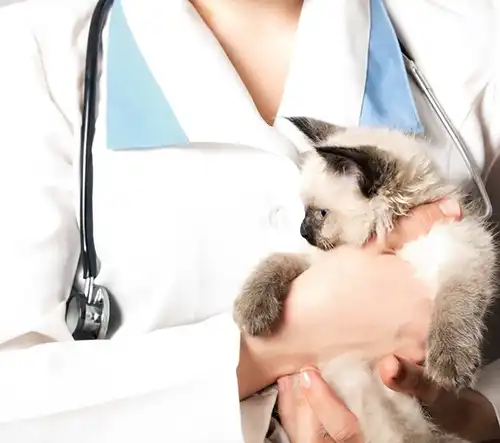


At Gause Boulevard Veterinary Hospital, we believe the best care is preventive care—and that starts with timely pet vaccinations. For dogs and cats in Slidell, LA, vaccines are a safe and vital part of protecting against common (and sometimes deadly) diseases. From the rabies shot to distemper and beyond, immunizations reduce risk for your furry friend and those around them.
Whether you’re navigating the puppy and kitten shot schedule or ensuring your senior pet is up to date, we’re here to walk you through which vaccines are needed, why they matter, and how often they should be given.
Why Pet Vaccinations Are So Important
Vaccines prepare your pet’s immune system to fight off specific diseases without having to suffer through the illness first. For both dogs and cats, this is a critical layer of protection that can save lives and prevent costly treatment down the road.
Vaccines help:
- Prevent serious viral and bacterial infections
- Protect vulnerable pets in your home or neighborhood
- Ensure compliance with local laws (like rabies)
- Minimize disease outbreaks in the community
At our Slidell, LA animal hospital, we tailor each vaccine plan to your pet’s age, health status, lifestyle, and risk level.
Understanding Core Vaccines for Pets
Core vaccines for pets are those recommended for all dogs and cats, regardless of their living situation. These target high-risk, highly contagious, and potentially fatal diseases.
Core vaccines for dogs include:
- Rabies
- Distemper
- Parvovirus
- Adenovirus (Hepatitis)
Core vaccines for cats include:
- Rabies
- Feline Panleukopenia (Distemper)
- Feline Calicivirus
- Feline Herpesvirus (Rhinotracheitis)
These vaccines are often given in combination shots (such as DAPP for dogs or FVRCP for cats), making scheduling easier.
Your vet at Gause Boulevard Veterinary Hospital will guide you through the right plan during your pet’s wellness visit.
The Rabies Vaccine for Cats and Dogs
One vaccine that’s legally required in most areas is the rabies vaccine for cats and dogs. Rabies is a fatal virus that affects the nervous system and can be transmitted to humans. Even indoor pets are at risk if a bat or other wild animal enters your home.
What to know:
- Required by law in most states, including Louisiana
- Typically given at 12–16 weeks of age
- Boosters are required every 1–3 years depending on local laws and vaccine brand
- Proof is needed for boarding, grooming, and travel
In Slidell, LA, rabies vaccination is essential for public health and peace of mind. We offer both 1-year and 3-year rabies options at our veterinary clinic.
Non-Core Vaccines: When Are They Needed?
In addition to core vaccines, there are lifestyle-based (non-core) vaccines that may be recommended depending on your pet’s habits and exposures.
For dogs, optional vaccines may include:
- Bordetella (kennel cough) – if your dog visits boarding facilities, daycares, or grooming salons
- Leptospirosis – for dogs exposed to standing water, wildlife, or farm animals
- Canine Influenza – for dogs in high-density pet environments
For cats, optional vaccines may include:
- Feline Leukemia Virus (FeLV) – especially important for kittens and outdoor cats
- Bordetella – in multi-cat or shelter-type settings
Our Slidell, LA veterinarians will help determine which non-core vaccines are right for your furry pal based on their risk and exposure.
The Puppy and Kitten Shot Schedule
Young pets need a series of boosters to build strong immunity. The puppy and kitten shot schedule is designed to provide protection when maternal antibodies begin to fade.
For puppies:
- 6–8 weeks: DAPP
- 10–12 weeks: DAPP booster
- 14–16 weeks: DAPP + rabies
- Optional: Bordetella, Leptospirosis, Influenza, depending on lifestyle
For kittens:
- 6–8 weeks: FVRCP
- 10–12 weeks: FVRCP booster
- 14–16 weeks: FVRCP + rabies
- Optional: FeLV for at-risk kittens
After the initial series, most vaccines move to a 1- or 3-year schedule. Gause Boulevard Veterinary Hospital will track your pet’s records and send reminders when it’s time for boosters.
Common Vaccine Myths Debunked
Vaccines are incredibly safe, but myths persist. Let’s clear a few up:
- “Indoor pets don’t need vaccines.” Even indoor cats can be exposed to viruses from visitors, other animals, or shared spaces.
- “My pet had shots as a puppy; they’re done.” Immunity fades over time—boosters are essential.
- “Vaccines will make my pet sick.” Most pets tolerate vaccines well. Mild side effects like soreness or fatigue are short-lived and far outweighed by the protection gained.
- “My pet is too old for vaccines.” Older pets may still benefit, depending on risk and health. Your vet will advise.
At our Slidell, LA animal hospital, we assess each pet individually to avoid over-vaccination and keep your furry pal protected.
FAQ: Pet Vaccinations
How often should my pet get vaccinated?
Most core vaccines are given every 1–3 years after the initial series. Your vet will tailor the schedule to your pet’s needs.
Can I get all my pet’s vaccines in one visit?
Often, yes! Our clinic offers combo vaccines and efficient scheduling. We also space them out when needed for sensitive pets.
What if I miss a booster?
Don’t panic—just call. Depending on how much time has passed, we may need to restart the series or provide a booster.
Is the rabies vaccine really necessary for indoor cats?
Yes. Rabies is fatal and legally required in most states, including Louisiana. Even indoor cats can be exposed through open windows or unexpected animal encounters.
What are signs of a vaccine reaction?
Mild: soreness, tiredness, low appetite. Rarely: swelling, hives, vomiting. Call us if anything seems unusual.
Visit Our Slidell, LA Vet Clinic for Pet Vaccinations
Are you searching for pet vaccinations near me in Slidell, LA? Gause Boulevard Veterinary Hospital offers complete, compassionate care tailored to your furry friend’s lifestyle and age.
Vaccines are one of the most powerful ways to protect your dog or cat from disease and discomfort. Let’s build a custom vaccination schedule that keeps your four-legged buddy safe and healthy. Call today to book your next visit!
This article is intended for informational purposes only. Always consult your veterinarian for vaccination guidelines specific to your pet.


!Social Media Icons